



















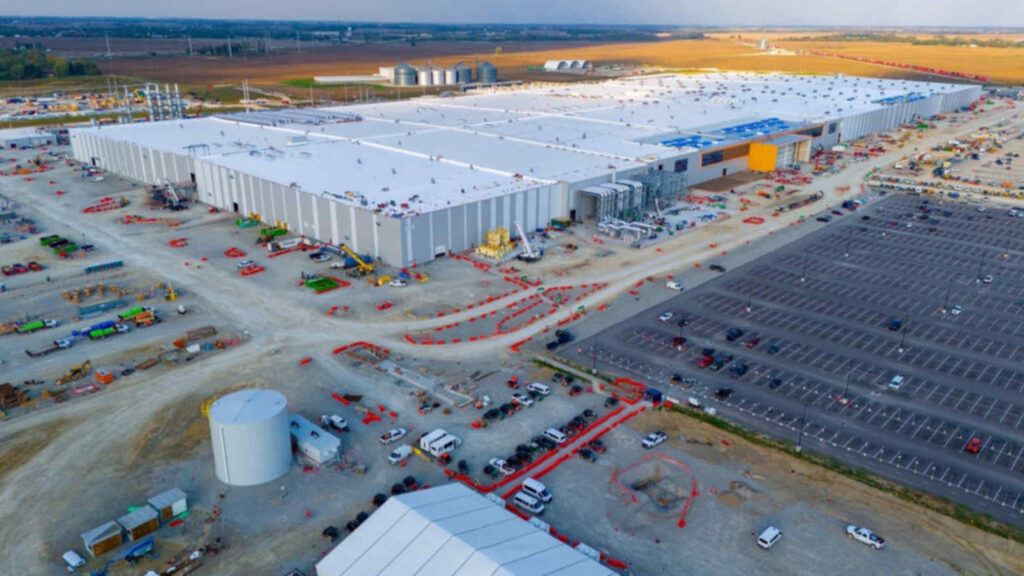
Honda has recently entered the rapidly growing market of energy storage solutions by kicking off the production of batteries specifically designed for these systems. But why is this significant? As the world shifts towards renewable energy and seeks reliable methods to manage power supply, companies like Honda are adapting to meet this demand. The rise of electric vehicles and sustainable energy sources has led to an increased need for efficient energy storage, making Honda’s entry into this sector not just timely but essential.
In this article, we’ll delve into the implications of Honda’s new venture, explore the technology behind energy storage systems, and examine how this move aligns with global trends in sustainability and innovation.
The Importance of Energy Storage Systems
Energy storage systems play a crucial role in modern energy management. As more renewable sources, such as solar and wind, become integral to our energy grid, the need for reliable storage solutions has never been more pressing. These systems help balance supply and demand, ensuring that energy is available when it’s needed most.
- Reliability: Energy storage provides a buffer, allowing for consistent power supply even during fluctuations in generation.
- Efficiency: Storing energy when production is high and using it during peak demand enhances overall system efficiency.
- Cost Savings: By managing energy more effectively, consumers can reduce electricity costs, particularly during peak hours.
Honda’s New Battery Production: What You Need to Know
So, what does Honda’s new battery production entail? The company has developed advanced battery technology aimed at enhancing energy storage capabilities. This new line of batteries is designed to support various applications, from residential use to larger commercial systems.
Additionally, Honda’s entry into this field signals a broader commitment to sustainability. As they pivot towards greener technologies, they are not just focusing on electric vehicles but also on the infrastructure that supports renewable energy.
Technological Innovations in Energy Storage
You might wonder: what makes these new batteries different? Honda’s batteries utilize cutting-edge materials and design principles that increase their efficiency and lifespan. Here are some key features:
- Longer Lifespan: Enhanced durability means less frequent replacements, which is better for both consumers and the environment.
- Faster Charging Times: Quick charging capabilities make these batteries ideal for both home and commercial energy solutions.
- Scalability: The technology can be adapted for different sizes and applications, making it versatile.
Market Trends and Future Implications
The energy storage market is booming, with forecasts predicting substantial growth in the coming years. This trend is fueled by:
- Government Incentives: Many countries are offering tax breaks and incentives for renewable energy installations.
- Corporate Sustainability Goals: Businesses are increasingly investing in energy storage to meet their sustainability targets.
- Consumer Awareness: More people are understanding the benefits of renewable energy and are willing to invest in storage solutions.
With Honda joining this competitive landscape, it raises questions about how established automotive companies will adapt to the energy storage market. Will they innovate quickly enough to keep pace with startups?
In summary, Honda’s move into the energy storage sector not only reflects its commitment to sustainability but also highlights the growing importance of reliable energy solutions in our daily lives. As we continue to embrace renewable energy, the role of advanced battery technology will be pivotal in shaping a more sustainable future.