

















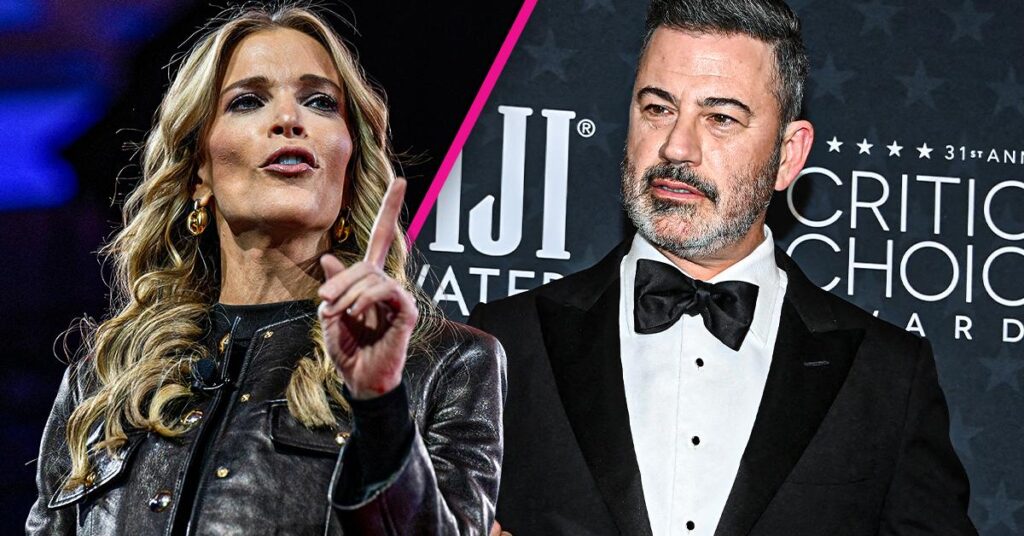
Megyn Kelly recently made headlines when she criticized Jimmy Kimmel for taking a two-month hiatus from his show, «Jimmy Kimmel Live!» She didn’t hold back, expressing her discontent over the choice of guest hosts during his absence, whom she referred to as «a litany of left-wing comedians.» This sparked a debate around the political bias in late-night television and the expectations viewers have from their favorite shows.
In this article, we’ll dive into the controversy surrounding Kimmel’s vacation, Kelly’s fiery response, and the broader implications for late-night comedy. You might be wondering, why does this matter? Well, it reveals not just personal opinions but also the shifting landscape of comedy and its intersection with politics, which affects how audiences perceive these shows.
Understanding the Controversy: Kimmel’s Vacation
Jimmy Kimmel’s decision to step away from his show for two months raised eyebrows. During this period, he opted for a lineup of guest hosts, which included various comedians known for their liberal viewpoints. Many fans found themselves questioning whether this move was a reflection of Kimmel’s personal beliefs or merely a strategy to maintain ratings.
Moreover, Kimmel’s absence led to a significant shift in the show’s tone, sparking debates about whether late-night television should remain politically neutral or embrace a particular ideology. How do you feel about the political leanings of your favorite late-night hosts?
Megyn Kelly’s Reaction: A Call to Accountability
Megyn Kelly criticized Kimmel’s choice of guest hosts, arguing that it showcased a bias that alienates a portion of the audience. In her view, Kimmel’s vacation should have been an opportunity to bring diverse perspectives to the forefront. Instead, she felt that the selection reinforced a one-sided narrative, which could disengage viewers who don’t share those beliefs.
Kelly’s remarks have stirred discussions about the responsibility of comedians in today’s politically charged environment. Should they strive for balance, or is it acceptable to cater exclusively to a specific audience?
The Role of Politics in Late-Night Comedy
The intertwining of politics and comedy isn’t a new phenomenon, but it has certainly intensified in recent years. Late-night shows have become platforms for social commentary, often reflecting the host’s personal views. While some fans appreciate this approach, others long for a more neutral stance.
As a result, the question remains: How can late-night shows balance entertainment with political discourse without losing their audience?
Audience Expectations and Future Implications
With shifting viewer demographics, the expectations surrounding late-night television are evolving. Audiences now crave authenticity and may gravitate toward hosts who resonate with their beliefs. Yet, there’s a fine line—too much bias could push away viewers who prefer a more varied comedic experience.
The ongoing debate about political bias in late-night shows will likely shape future programming decisions. Will hosts become more aware of their audience’s diverse opinions, or will they continue to lean into their personal beliefs?
Ultimately, as discussions around political engagement in comedy continue, it will be fascinating to see how hosts like Kimmel adapt to the changing landscape and whether they can maintain audience loyalty while staying true to their comedic roots.