



















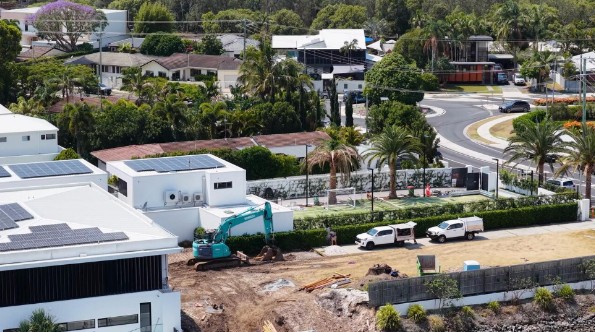
The Costa del Sol has become one of Spain’s most closely watched residential markets, not only because of its coastline, but also because of the way new construction is changing the idea of Mediterranean living. Buyers now look beyond location alone and pay attention to terraces, light, parking, communal areas and a home layout that fits everyday life.
This shift is especially visible in towns where tourism, permanent residence and international demand meet. Marbella, Estepona and Mijas show three different readings of the same trend: coastal housing with more services, better planned communities and a stronger focus on comfort. The result is a market where the choice of municipality matters as much as the property itself.
New construction and the changing profile of the coast
The search for property new developments in Costa del Sol reflects a wider interest in homes designed for current expectations. Available listings in this segment include apartments, houses and villas, often presented with features such as sea views, large terraces, children’s areas, gyms, swimming pools, parking spaces and storage rooms.
New housing is no longer judged only by its address. The surrounding services, the quality of communal spaces and the practical details of the building have gained weight in the decision. A terrace can define how a home is used for much of the year, while parking or storage can make the difference between an attractive property and a truly functional one.
Moreover, the Costa del Sol offers very different settings within a relatively compact coastal area. Some buyers prioritise the social rhythm of established towns, while others prefer quieter residential zones with quick access to beaches, golf courses or natural landscapes. That variety explains why the same property search often leads to several municipalities before a final decision is made.
Marbella keeps its weight in the premium market
Marbella continues to stand out as one of the strongest names on the coast. Its appeal is linked to beaches, resorts, cultural activity, entertainment and a lifestyle that combines leisure with year-round residence. It is also described as the second most populated city in the Malaga region, which helps explain its active atmosphere and broad range of services.
In residential terms, new developments in Marbella sit within a market where location, privacy and access to amenities are decisive. The current offer shown on the referenced page includes 42 properties, with examples ranging from two-bedroom homes to larger villas and high-end residences in areas such as Marbella and Cabopino.
Marbella’s strength lies in its mix of visibility and daily infrastructure. It has enough international recognition to attract attention, but also enough urban activity to support permanent living. That balance matters for buyers who want a home that works in summer, during quieter months and as part of a longer-term residential plan.
The town also offers different property options and budget ranges, according to the information published on the linked page. This variety is relevant because the Marbella name often suggests only luxury housing, although the local new-build market also includes more compact homes. Even so, expectations are high, and buyers usually compare finishes, outdoor space and building services with particular care.
Estepona gains ground with a broader residential identity
Estepona has moved from being seen mainly as a coastal destination to a town with a more complete residential profile. Its old town, white-walled streets, marina, beaches and local gastronomy give it a recognisable character. At the same time, its development in recent years has been linked to tourism and real estate growth.
The offer of new developments in Estepona currently appears as one of the broadest among the three areas mentioned, with 73 properties found on the referenced page. The examples shown include apartments and villas, with prices and sizes that vary widely, which suggests a market aimed at several types of buyer.
Estepona appeals because it combines coastal life with a town centre that has its own rhythm. The presence of tapas bars, blue flag beaches, shopping areas, marinas and water sports adds leisure value, while Sierra Bermeja Natural Park gives the area a natural backdrop that distinguishes it from more urban stretches of the coast.
Golf also plays a visible role in the area’s residential appeal. The page mentions several courses associated with Estepona, including Atalaya Golf & Country Club, El Paraíso Golf Club, Estepona Golf, Valle Romano Golf & Resort, La Resina Golf & Country Club, Club de Golf El Coto and El Campanario Golf & Country Club. For many buyers, that network adds value beyond the property itself.
Mijas links village character with coastal growth
Mijas offers a different reading of new construction on the Costa del Sol because it brings together several identities within one municipality. The referenced information describes Mijas Pueblo, La Cala de Mijas, Mijas Costa and Las Lagunas as major sections, each with a distinct role in daily life, tourism and residential activity.
That diversity gives new developments in Mijas a particular position within the market. The current page lists 70 properties, including homes in areas such as La Cala Golf, Mijas Costa, Riviera del Sol, El Chaparral and La Cala de Mijas. This spread reflects a municipality where inland views, golf settings and coastal access can all shape the property search.
Mijas is not a single residential experience. Mijas Pueblo keeps the traditional Andalusian image in the foothills, La Cala de Mijas adds a seaside village feel, Mijas Costa works as a residential and commercial area, and Las Lagunas concentrates much of the population. For buyers, this means that choosing Mijas still requires choosing a specific way of living.
The municipality is also associated with tourist attractions, museums, whitewashed architecture, views and a sunny climate. Those elements are familiar across the Costa del Sol, but in Mijas they appear with a more varied urban structure. A home near La Cala Golf will not offer the same routine as one closer to Mijas Costa or Las Lagunas.
What buyers should compare before choosing an area
The decision between Marbella, Estepona and Mijas should not depend only on reputation. A new development can look attractive on paper, but the surrounding area determines how that home will function. Distance to schools, beaches, golf courses, health services, shops, restaurants and main roads can change the value of the same property type.
The strongest choice is usually the one that matches daily habits. A buyer who wants a lively urban setting may read Marbella differently from someone who prefers the evolving character of Estepona or the mixed landscape of Mijas. In each case, the home is only one part of a broader residential equation.
It is also important to examine the building itself. Terraces, orientation, communal areas, parking, storage, bedrooms, bathrooms and interior metres should be reviewed with the same attention as the municipality. New construction often promises comfort, but the best option is the one where the details support real use rather than a purely visual impression.
Budget is another filter that deserves a calm comparison. The pages reviewed show property search tools with price ranges, bedrooms and bathrooms, which points to a market where buyers can narrow their search according to practical needs. However, price alone does not explain whether a property is suitable, especially when location and services vary so much.
A market shaped by lifestyle and practical value
New construction on the Costa del Sol is tied to lifestyle, but the most solid decisions are practical. Marbella offers recognition, services and a consolidated premium image. Estepona adds town identity, beaches, gastronomy, nature and golf. Mijas brings together village character, coastal areas, residential zones and golf environments within one municipality.
The common thread is a demand for homes that feel prepared for regular use. Large terraces, communal facilities, parking and storage answer everyday needs, while sea views or proximity to leisure add emotional value. The modern coastal buyer wants a property that works beyond the holiday season.
For that reason, comparing these three locations requires more than checking photographs or headline prices. The useful question is how each area supports the kind of routine the buyer expects: a more active urban life, a town with a growing residential profile, or a municipality with several landscapes and living patterns within reach.
The Costa del Sol continues to attract attention because it can offer those options without losing its Mediterranean identity. Its new developments show how the market has adapted to buyers who ask for comfort, location and long-term usability in the same property. In Marbella, Estepona and Mijas, that demand now shapes much of the new housing conversation.