




















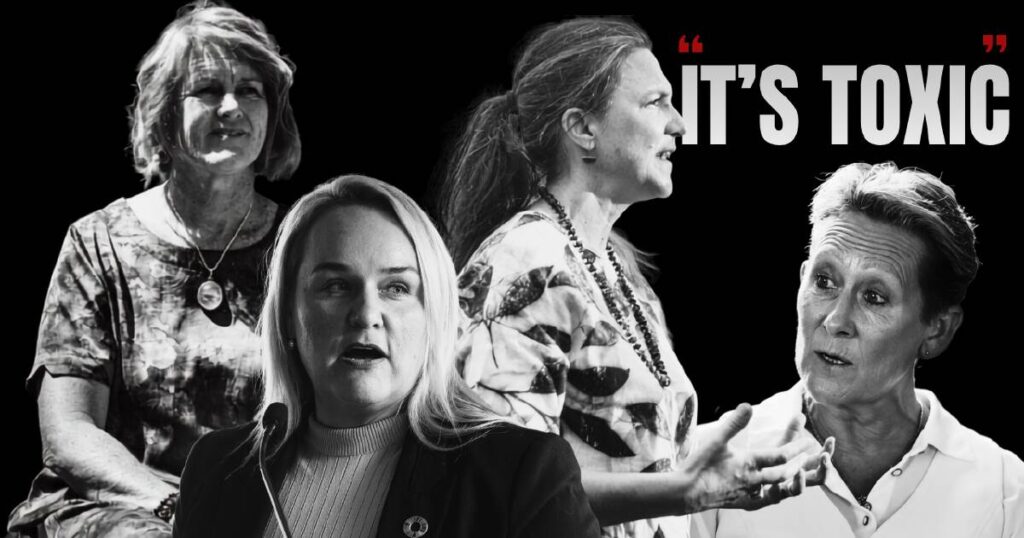

When women feel unsafe in politics, it creates a ripple effect that impacts not just individuals but entire societies. Are you aware of how this issue affects democratic processes and representation? In recent years, the conversation about women’s safety in political spheres has gained momentum, revealing alarming statistics and personal accounts that underscore the urgent need for change. This article delves into the implications of this crucial issue, highlighting the challenges women face and what can be done to foster a safer political environment.
The Current Landscape of Women’s Safety in Politics
In today’s political arena, many women report experiencing harassment, intimidation, and even violence. This hostile environment often discourages participation, leading to a significant underrepresentation of women in decision-making roles. According to recent studies, nearly 60% of women in politics have faced some form of abuse, which creates a chilling effect on their willingness to engage in public life.
Moreover, this situation is not just a personal issue; it has far-reaching consequences for democratic governance. When women feel unsafe, their voices are stifled, resulting in policies that may not fully address the needs of the entire population.
Understanding the Consequences of Unsafe Environments
So, what happens when women withdraw from politics due to fear? The implications can be profound:
This cycle of intimidation and withdrawal not only undermines the democratic process but also stifles innovation and progress.
Factors Contributing to a Culture of Fear
Several factors contribute to the unsafe atmosphere for women in politics. Firstly, social media has become a double-edged sword. While it offers platforms for advocacy and connection, it also serves as a breeding ground for cyberbullying and harassment. Additionally, traditional power structures often favor male dominance, making it challenging for women to navigate political landscapes without facing scrutiny or backlash.
Furthermore, cultural attitudes play a significant role. In many societies, women in leadership positions are still viewed with skepticism, which can lead to increased hostility.
Steps Toward a Safer Political Environment
What can be done to improve safety for women in politics? Here are some actionable steps:
Ultimately, fostering a safe political environment is essential for achieving true equality and representation.
The Role of Society in Supporting Women
Everyone has a part to play in creating a safer political landscape for women. By advocating for change, challenging harmful narratives, and amplifying women’s voices, society can contribute to a more inclusive environment. Every effort counts, whether it’s speaking out against harassment or supporting policies aimed at increasing women’s participation.
In a world where women feel empowered and safe to express their views, the political landscape can transform into a more equitable space for all.