


















Russia is facing significant challenges in the Black Sea, with a considerable portion of its naval fleet suffering substantial losses. Have you ever wondered how these maritime struggles could reshape regional dynamics? As the conflict escalates, the impact on naval capabilities and strategic positioning becomes increasingly relevant. This article will delve into the current state of Russia’s naval operations, the implications of these losses, and the broader geopolitical consequences.
Let’s explore how Russia’s maritime strategies are evolving amid these tumultuous waters.
Current State of Russia’s Naval Operations in the Black Sea
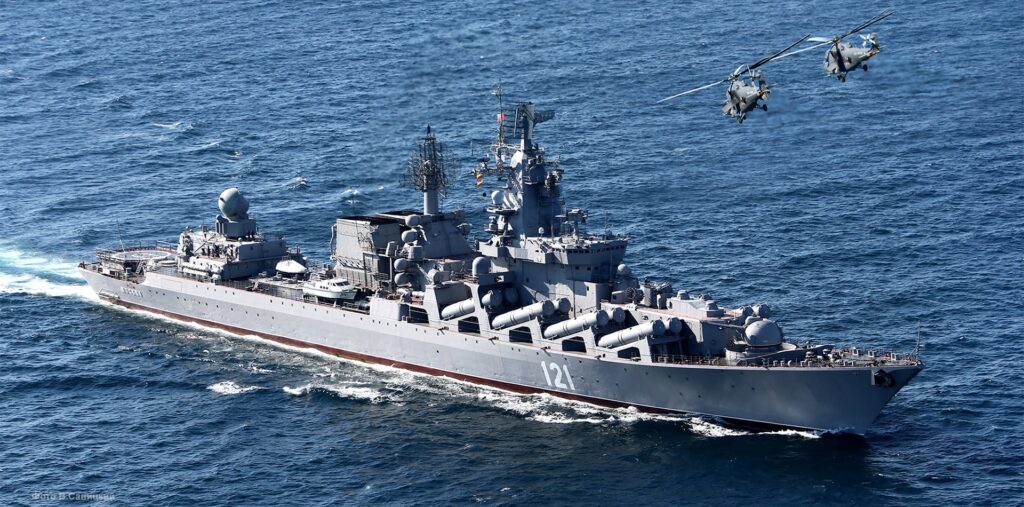
The Black Sea has become a crucial battleground, with Russian forces experiencing unprecedented setbacks. Estimates suggest that a large number of their warships have been rendered inoperative, raising questions about their future naval dominance.
- Increased Vulnerability: The losses have left the fleet exposed to attacks from both aerial and naval fronts.
- Strategic Reassessments: As a result, Russia is likely to reconsider its operational tactics in the region.
Moreover, these setbacks may lead to a reevaluation of their long-term maritime goals. Why is this significant? Because a weakened naval presence could alter the balance of power in Eastern Europe.
Implications for Regional Security
With Russia’s naval capacity in decline, other nations are now reassessing their security strategies. Countries bordering the Black Sea, such as Ukraine and Turkey, may feel emboldened to enhance their defense measures.
- Enhanced Military Readiness: Expect to see an increase in naval exercises and partnerships among these nations.
- Potential Alliances: The situation might encourage new alliances, as countries seek to counterbalance Russian influence.
Additionally, the Black Sea’s geopolitical landscape is shifting. Have you thought about what this means for international trade routes or energy security? A diminished Russian presence could lead to more stable maritime operations, benefiting economic exchanges in the region.
International Reactions and Future Developments
The international community is closely monitoring these developments. NATO, in particular, has signaled its readiness to support its member states in the region.
- Increased Naval Presence: Expect to see more joint exercises and operations aimed at deterring further aggression.
- Diplomatic Channels: Countries may also pursue diplomatic avenues to address rising tensions.
It’s essential to consider how these shifts will affect global perceptions of Russian military capability. Will they be seen as a declining power, or can they adapt and recover? Only time will reveal the answers.
The Role of Technology in Modern Naval Warfare
As naval conflicts evolve, technology plays a critical role. Russia’s challenges in the Black Sea highlight the importance of modern warfare capabilities.
- Advanced Weaponry: The integration of drones and missile systems has transformed naval engagements.
- Cyber Warfare: Expect cyber capabilities to become an increasingly important aspect of naval strategy.
Are nations prepared for the rapid technological advancements that could redefine naval power? As we move forward, it’s crucial to keep an eye on how these technologies will influence outcomes in contested waters.
In summary, the situation in the Black Sea is fluid and complex. With significant ramifications for regional stability, international relations, and military strategy, the unfolding events are worth watching closely. What are your thoughts on how these developments might shape the future?