



















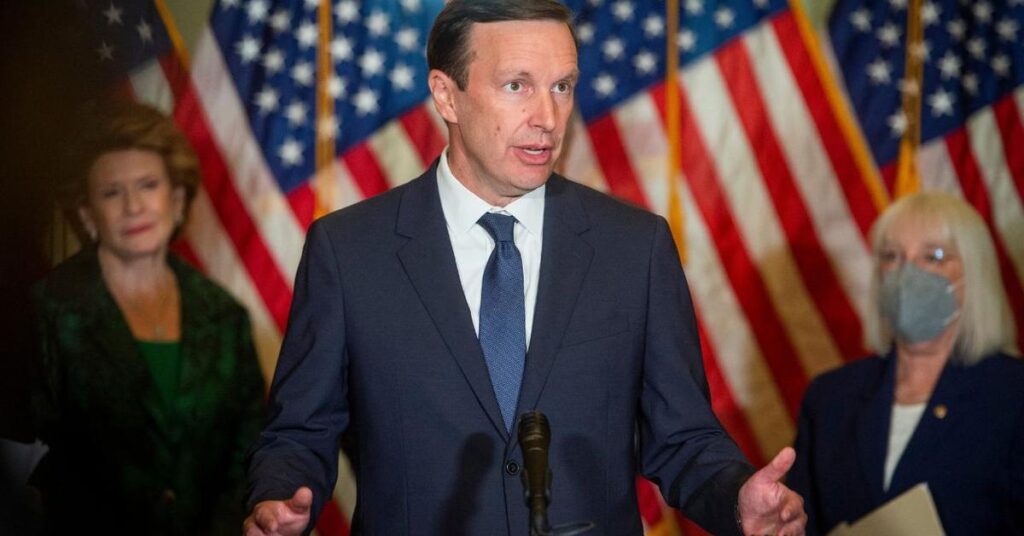
Senator Chris Murphy has raised significant concerns regarding the transparency of military expenditures in the ongoing U.S. involvement in Iran. This issue isn’t just about budgeting; it touches on the broader implications of accountability in governance. Have you ever wondered how much information the public receives about military spending? It’s crucial to understand the complexities behind these figures and the potential motivations for withholding them.
In this article, we will delve into the allegations made by Senator Murphy against Defense Secretary Pete Hegseth. We’ll explore the implications of these accusations, the context of U.S. military operations in Iran, and what it means for taxpayers and policymakers alike.
Understanding the Allegations Against Defense Secretary Hegseth
Senator Murphy has publicly accused Pete Hegseth of obscuring the true costs associated with military actions in Iran. He argues that a lack of transparency can lead to a misinformed public, which ultimately impacts democratic accountability. But why is this such a pressing issue?
When military budgets are not fully disclosed, it raises questions about where taxpayer dollars are going. Murphy’s concerns not only reflect a desire for honesty but also highlight the essential role of oversight in democratic societies.
The Broader Context of U.S. Military Operations in Iran
The United States has had a complex history in Iran, marked by various military engagements and diplomatic efforts. Understanding this context is vital for grasping the significance of the current allegations.
Currently, the U.S. maintains a military presence in the region, often justified by the need for national security. Yet, as costs continue to rise, it’s imperative to ask:
The Importance of Transparency in Military Spending
Transparency in military funding is crucial for several reasons. First, it allows citizens to hold their government accountable. When you know where the money is going, you can better advocate for your interests and those of your community.
Moreover, clear financial reporting can foster trust between government officials and the public. If citizens feel informed, they are more likely to support military initiatives. But when information is hidden, skepticism arises, leading to a fractured relationship between the government and the people.
What’s Next for the U.S. Military Budget?
As the conversation unfolds, many are left wondering about the future of military budgeting in the U.S. Will there be more scrutiny on how funds are allocated? Will Congress take action to ensure better oversight?
The outcome of these discussions could have lasting effects on U.S. military policy and public trust. Understanding the intricacies of these issues is essential for staying informed as a citizen.
Ultimately, the dialogue sparked by Senator Murphy’s allegations underscores the need for vigilance and awareness in matters of military spending. Are you ready to engage in this conversation and hold your government accountable?