



















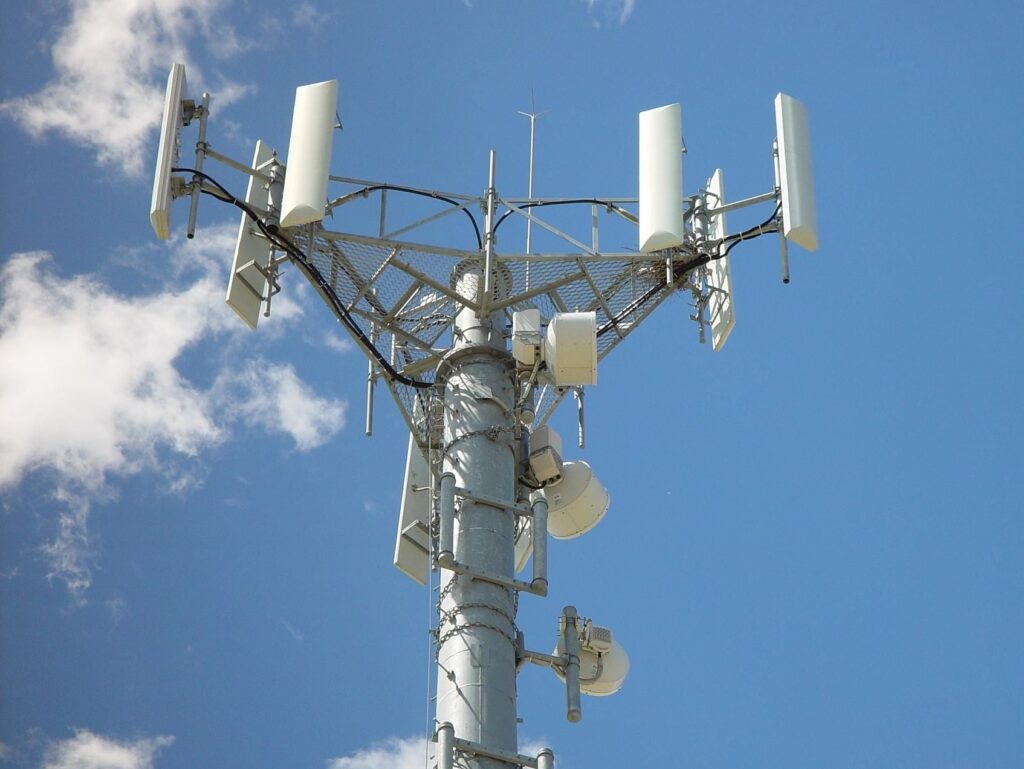
In recent years, the notion of mobile connectivity has become a cornerstone of our daily lives. But what happens when the lights go out? As concerns over climate change and natural disasters grow, the necessity for reliable communication during blackouts is more pressing than ever. In Spain, the government is taking proactive measures to ensure that mobile networks remain operational even during power outages. This article will explore how these initiatives will affect you, the importance of mobile connectivity during emergencies, and what steps you can take to stay connected when the unexpected occurs.
Understanding the Importance of Mobile Connectivity
When disaster strikes, having access to your phone can be a lifesaver. It allows you to connect with loved ones, access emergency services, and stay informed about critical updates. However, during a blackout, mobile networks often struggle to maintain service. So, how can governments ensure that these essential services remain functional?
In Spain, authorities are recognizing the need for robust infrastructure that can withstand power failures. They are working on regulations that mandate telecom companies to develop backup systems. This means that during a blackout, you could still send messages or make calls.
The Spanish Government’s Initiative
The initiative to keep mobile networks operational during blackouts is not just a response to emergencies; it’s a long-term strategy. The Spanish government is implementing policies that will require telecom providers to invest in technology that maintains connectivity.
This includes:
By mandating these changes, Spain aims to create a safety net for its citizens, ensuring that you can reach out for help when you need it most.
What This Means for You
So, how does this initiative impact you directly? First of all, you can have peace of mind knowing that your ability to connect during a crisis is a priority for the government. You won’t have to worry about being cut off from vital information or support.
Moreover, these improvements will likely lead to better overall service quality. As telecom companies invest in their infrastructure, you can expect fewer dropped calls and faster internet speeds, even during high-demand situations.
How to Prepare for Emergencies
While the government is taking significant steps, it’s crucial for you to be prepared as well. Here are some personal strategies to ensure you remain connected during a blackout:
By taking these small steps, you can significantly enhance your readiness for unexpected situations.
Community Involvement and Awareness
Finally, consider how community awareness plays a role in emergency preparedness. Engage with local groups or initiatives focused on disaster readiness. Share information about the importance of mobile connectivity during blackouts. After all, a well-informed community can act more effectively when faced with challenges.
In summary, as Spain takes strides to ensure mobile networks remain operational, staying informed and prepared will empower you to navigate any blackout with confidence.