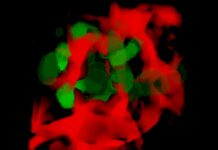



















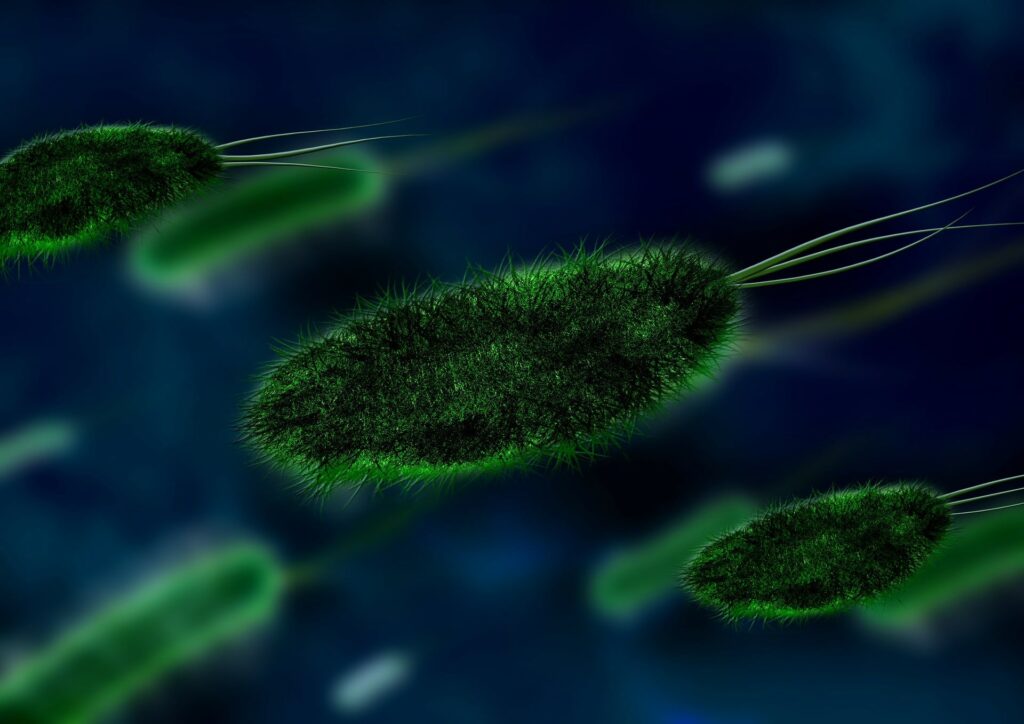
Researchers at the University of California have recently delved into the fascinating world of bacterial behavior, drawing inspiration from the collective dynamics of species such as E. coli and Bacillus subtilis. You might wonder why studying these microorganisms could be significant. Well, understanding how these bacteria communicate and work together can lead to groundbreaking advancements in various fields, from medicine to environmental science.
In this article, we’ll explore the innovative research surrounding bacterial communication, the potential applications of these findings, and the implications for future scientific endeavors. Get ready to dive into a world where tiny organisms are making huge waves!
The Intriguing World of Bacterial Communication
Bacteria often operate in large, complex communities. They don’t just exist as isolated entities; instead, they engage in a constant dialogue. Their communication, often referred to as quorum sensing, enables them to coordinate activities and respond to environmental changes effectively.
Moreover, this collective behavior allows them to form biofilms, which are protective layers that can shield them from antibiotics and environmental stresses. Isn’t it astonishing how such small organisms can devise such sophisticated survival strategies?
Applications in Medicine and Beyond
The study of bacterial dynamics is not just an academic exercise. It has real-world implications, particularly in healthcare. For instance, by understanding how bacteria communicate, scientists can develop new strategies to combat antibiotic resistance.
This could revolutionize how we treat infections, potentially leading to the creation of therapies that disrupt bacterial communication. Imagine a future where we can outsmart bacteria by interfering with their signaling processes!
Additionally, these principles can be applied in environmental management. For example, researchers are investigating how to harness bacterial cooperation to clean up pollutants. This approach could lead to more sustainable solutions for environmental remediation.
Innovative Research: The Path Ahead
As the research progresses, scientists are continuously uncovering new layers of complexity in bacterial behavior. The use of advanced technologies, such as genetic editing and imaging techniques, enables researchers to observe bacterial interactions in real-time.
But what does this mean for the future? By manipulating bacterial communities, we could potentially create systems that are more efficient and resilient. This could have a vast impact on agriculture, wastewater treatment, and even biotechnology.
Cultural Relevance of Bacterial Research
Understanding bacteria is not just a scientific pursuit; it has cultural significance as well. From food production to health, bacteria play a crucial role in our daily lives. Fermented foods, for example, rely on beneficial bacteria to enhance flavor and preserve products.
With the rise of probiotics and natural remedies, there’s a growing awareness of the importance of maintaining a healthy balance of bacteria in our bodies. This has led to a cultural shift toward valuing microbial health and its impact on overall well-being.
In summary, the exploration of bacterial dynamics presents an exciting frontier in science. As we continue to unlock the secrets of these tiny organisms, we open up a world of possibilities that could change our understanding of biology, health, and the environment. Are you ready to join this journey into the microscopic world?