



















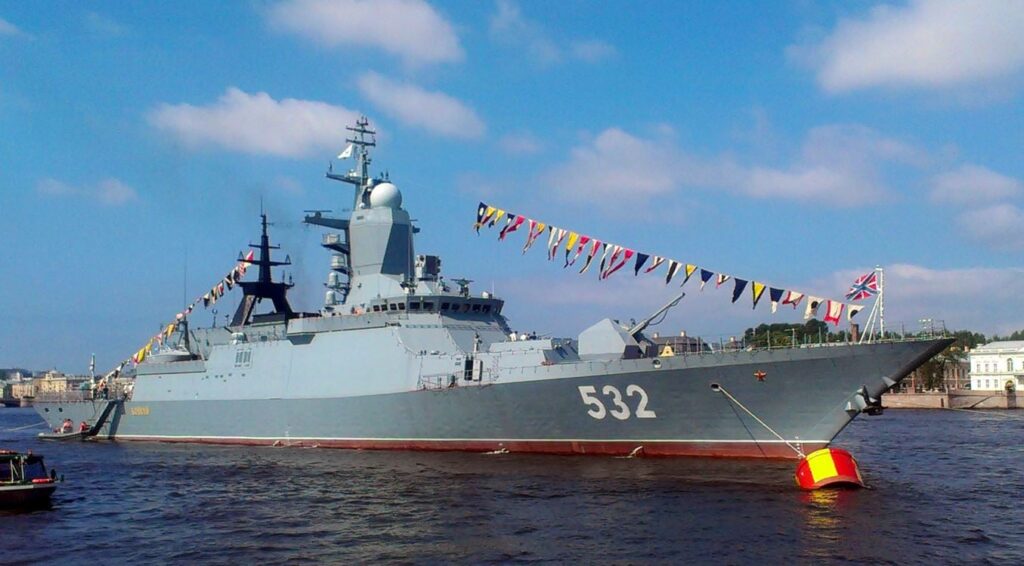
On June 3, the skies over St. Petersburg witnessed a surprising development as Ukrainian drones made another appearance. This bold move was not a mere coincidence; it signals a significant escalation in the ongoing conflict. But what does this mean for the geopolitical landscape and the security dynamics in the region?
In this article, we will explore the implications of these drone incursions, the technological advancements behind them, and how they are reshaping not only military strategies but also international relations. Understanding the context around these drone activities is essential for grasping the larger picture of current global tensions.
Understanding the Context of Ukrainian Drone Operations
The use of drones in modern warfare has changed the game significantly. You might wonder why Ukraine is targeting a city so far from the front lines? The answer lies in both strategic positioning and psychological warfare. By reaching deep into Russian territory, Ukraine sends a clear message: they are capable and willing to strike back.
Moreover, these drone operations are not just about military tactics. They also serve to boost the morale of the Ukrainian populace and showcase their resilience. The impact on civilian life and infrastructure in St. Petersburg could also lead to increased unrest within Russia, complicating the Kremlin’s narrative.
Technological Advancements Driving Drone Warfare
You may ask, what makes these drones so effective? The advancements in drone technology have allowed for greater precision and reduced operational costs. Today’s drones can navigate complex environments, making them valuable assets for reconnaissance and targeted strikes.
Consider the following points:
These attributes not only enhance military capabilities but also serve as a deterrent against adversaries.
The Psychological Impact on Global Relations
When drones strike, they do more than cause physical damage; they also influence the psyche of nations. The fear of drone strikes can lead to increased anxiety among the civilian population and create political pressure on leaders. How does this affect international relations?
Countries observing these developments are likely recalibrating their strategies. They might reconsider their military alliances or bolster their defense systems. As tensions rise, the world watches closely to see how both Ukraine and Russia will respond to this evolving situation.
Future Implications for Military Strategy
With each drone incursion, military strategies evolve. Are traditional forms of warfare becoming obsolete? The answer seems to lean towards yes. Nations are now investing heavily in drone technology, rethinking how they engage in conflicts.
Important considerations include:
As the conflict unfolds, the role of drones will likely become even more prominent, shaping future military engagements.
In summary, the drone incursions into St. Petersburg represent a pivotal moment in the ongoing conflict, showcasing the capabilities of modern warfare while also raising questions about international stability and security. The world is watching closely, and the developments in this arena will undoubtedly shape the future of military strategy and global relations.