



















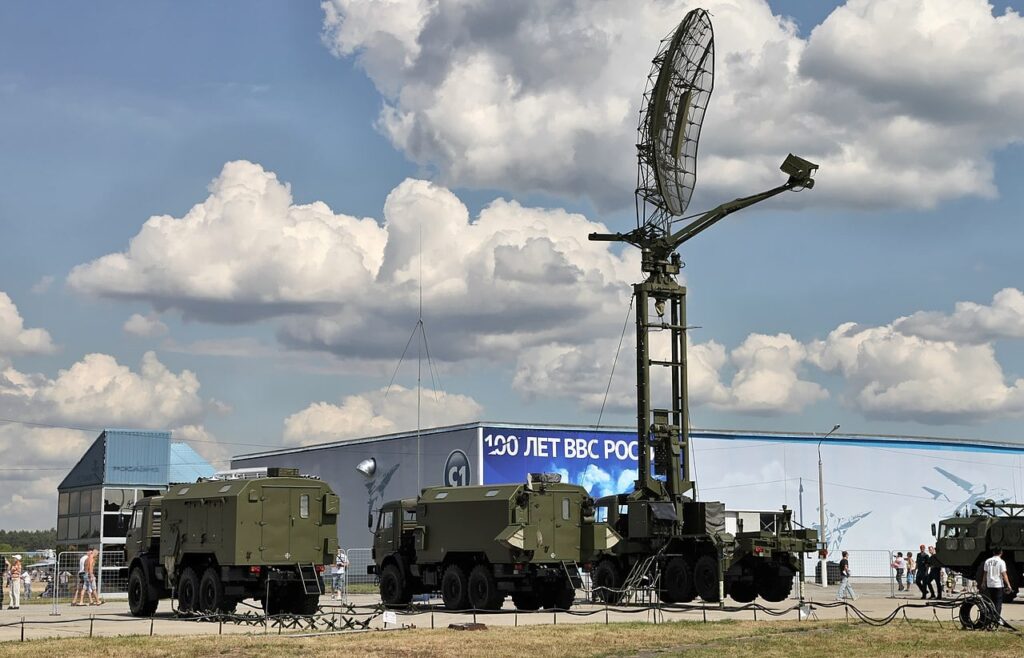
Ukrainian forces have made headlines recently by showcasing impressive footage of a successful strike on a Russian Kasta-2E radar system. This event highlights the ongoing tensions in Eastern Europe and the advanced capabilities of modern warfare. As military technology evolves, both sides are adapting their strategies, and this incident serves as a testament to the tactical prowess of Ukrainian troops.
In this article, we will explore the significance of this strike, the technology behind the Kasta-2E radar system, and the broader implications for the conflict in Ukraine. What does this mean for the future of military engagements in the region? Let’s dive in.
Understanding the Kasta-2E Radar System
The Kasta-2E is a sophisticated radar system designed primarily for air surveillance. It enables the detection of various aerial targets, including aircraft and drones. This radar plays a crucial role in coordinating air defense operations and enhancing situational awareness for military forces.
The technology behind it is impressive, featuring capabilities like:
- Long-range detection: It can monitor aerial activities over considerable distances.
- Tracking multiple targets: The system can track several objects simultaneously, providing vital data for defense strategies.
- High-resolution imaging: It delivers clear imagery, making it easier to identify threats accurately.
Given these features, striking such a system is a significant achievement for Ukrainian forces.
The Tactical Implications of the Strike
When Ukrainian forces targeted the Kasta-2E, they demonstrated their ability to disrupt Russian surveillance capabilities. This act not only diminishes the effectiveness of Russian air defense but also sends a clear message about Ukraine’s operational strengths.
Why does this matter? Disabling radar systems like the Kasta-2E can pave the way for more effective air operations by Ukrainian forces, allowing them to execute missions with reduced risk of detection.
Moreover, this strike signifies a shift in the balance of power in specific military engagements. As both sides continue to adapt, the game of cat and mouse intensifies.
Broader Context of the Conflict
The ongoing conflict in Ukraine is not just a regional issue; it has global implications. The international community is closely watching these developments, as they could influence geopolitical dynamics.
The use of advanced technology in warfare has become a focal point. Nations are investing heavily in military innovations, seeking to gain an edge over their adversaries. This situation in Ukraine exemplifies how quickly modern combat can evolve.
And what about the broader implications for military strategy? Countries around the world are likely reassessing their own defense systems and tactics in light of Ukraine’s recent successes.
The Future of Warfare in Eastern Europe
As we look ahead, it’s clear that the conflict in Ukraine will continue to shape military strategies and technologies. Both sides are likely to invest in more sophisticated systems, and we may see further advancements in surveillance and counter-surveillance technologies.
Are we witnessing the dawn of a new era in warfare? The answer seems to lean towards yes, as the lessons learned in Ukraine could very well set the stage for future conflicts globally.
In this rapidly changing landscape, staying informed about technological advancements and tactical maneuvers is essential. As the situation evolves, so too will the strategies employed by both Ukrainian and Russian forces.