



















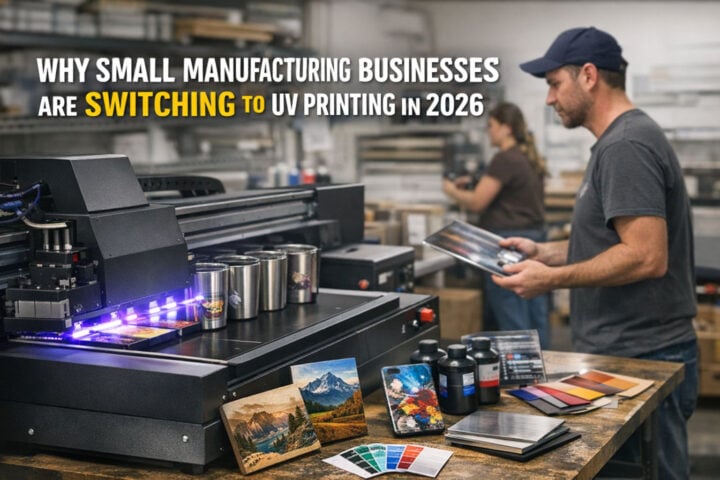
In the world of print production, you might have noticed that traditional small batch methods often come with hefty costs and significant material waste. Have you ever wondered how these practices can impact both your budget and the environment? Studies indicate that when switching between designs in screen printing, you could be losing anywhere from 10% to 25% of your materials. This not only affects profitability but also raises concerns about sustainability in an era where eco-friendliness is paramount.
This article delves into the inefficiencies of traditional small batch production, exploring the challenges of high setup costs and material waste. We’ll also look at innovative solutions that can optimize efficiency and reduce waste, providing you with insights to make more informed decisions for your projects.
Understanding the Challenges of Traditional Small Batch Production
When you think about traditional production methods, the high costs associated with plate setups come to mind. Every time you change a design, you’re not just altering the visual aspect of your print; you’re also incurring expenses that can add up quickly. The process can be tedious and time-consuming, which leads to delays in getting your products to market.
Moreover, the environmental impact is significant. With a considerable percentage of materials going to waste during these transitions, it raises questions about sustainability. Your production choices can directly influence not only your success but also your carbon footprint.
The Impact of Material Waste on Profitability
So, how does material waste affect your bottom line? Consider this:
If you’re running a business, these factors can severely hinder growth. It’s essential to recognize that every percentage point of waste directly translates into lost revenue.
Innovative Solutions to Minimize Waste
Fortunately, advancements in technology have paved the way for more efficient production processes. Have you explored options like digital printing or automated systems? These methods can significantly reduce the need for extensive setups, allowing for quicker transitions between designs.
Some benefits of adopting innovative technologies include:
By embracing these solutions, you position your business as a forward-thinking entity that values efficiency and environmental responsibility.
Conclusion: Embracing Change for a Better Future
As you navigate the complexities of print production, remember that the traditional methods may no longer serve your best interests. By understanding the challenges and exploring innovative alternatives, you can enhance your operations while minimizing waste and costs. In an ever-evolving market, staying ahead of the curve is essential for success. So, what steps will you take to revolutionize your production process?