



















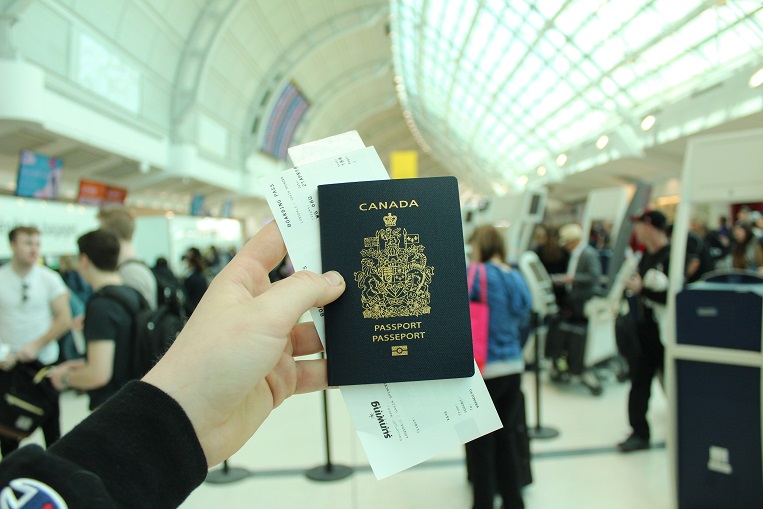

In the ever-evolving landscape of global mobility, the power of a passport can significantly affect your travel experience. Have you ever wondered how your passport stands up against others around the world? According to the latest data from the Henley Passport Index, Canada now holds the prestigious 7th position globally, providing its citizens with visa-free access to an impressive 183 destinations. This development not only reflects Canada’s diplomatic relationships but also highlights the growing importance of passport strength in our interconnected world.
As we delve deeper into the current passport rankings, you’ll discover how various countries have gained or lost ground in this competitive arena. From the unrivaled strength of Singapore’s passport to the surprising resilience of nations like the United States, there’s much to explore. Let’s take a closer look at the 2026 rankings and the implications behind these numbers.
Current Global Passport Rankings: Who Holds the Power?
The latest Henley Passport Index reveals a fascinating hierarchy of passport strength:
- Singapore: Continues to dominate with access to 192 destinations.
- United Arab Emirates, Japan, and South Korea: Sharing a strong second place, each offering access to 188 locations.
- Sweden: Ranks 4th with its powerful passport.
- France, Belgium, Denmark, Germany, Ireland, Italy, Luxembourg, Netherlands, Norway, and Spain: All tied for 5th position.
- Austria, Greece, Malta, Portugal, and Switzerland: Following closely in 6th place.
- UK, Hungary, and Poland: Secure the 7th spot.
- Canada, Australia, Czechia, Latvia, Malaysia, New Zealand, Slovakia, and Slovenia: Now ranked 8th.
- Croatia and Estonia: Share the 9th position.
- Liechtenstein and Lithuania: Come in at 10th.
- Iceland and the USA: Round out the list.
How does your passport compare?
The Importance of Visa-Free Access
It’s crucial to understand that the strength of a passport goes beyond mere numbers. In fact, the average passport now grants access to 108 destinations, a striking increase from just 58 when the index first launched in 2006. Why is this expansion significant? It shows how global mobility has transformed, making travel easier and more accessible than ever before.
Yet, there’s a contrasting narrative regarding global peace. The Global Peace Index highlights a troubling reality: state-based conflicts are at an all-time high since World War II. The implications are profound. While many countries enjoy powerful passports, the peace and stability of their regions remain in jeopardy.
Notable Exceptions in Passport Power
Interestingly, some countries boast powerful passports despite low peace rankings. Take a look at these outliers:
- Israel: Ranked 159th in peace but 18th in passport strength.
- United States: Holds 10th place in passport power, but is 134th on the peace index.
- France: Ranks 4th on the passport index, yet sits at 99th in peace.
- Ukraine: Despite being 160th in peace, it ranks 31st in passport strength.
These discrepancies raise questions about the relationship between peace and mobility. While peaceful conditions foster international travel, factors like diplomacy, economic power, and geopolitical influence can also play significant roles.
So, why do the USA and Israel maintain such strong passport rankings despite their low peace standings? Their long-standing diplomatic relationships and economic importance have earned them a reputation that transcends current conflicts.
As you consider your travel plans, remember that your passport’s power can greatly influence your journey. Whether you’re aiming for a quick getaway or an adventurous exploration, understanding the dynamics of passport strength can help you make informed decisions about your travel experiences.