




















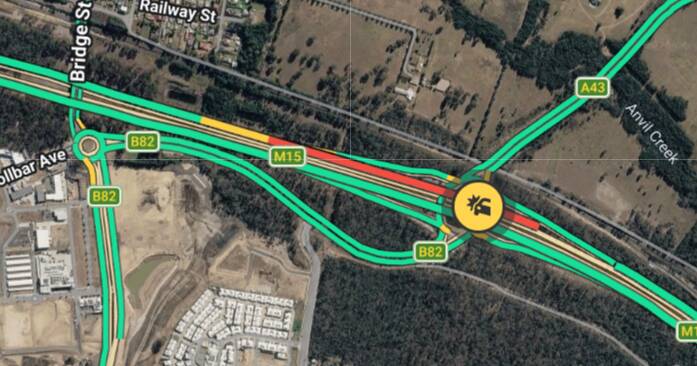

Imagine navigating through your daily commute only to find significant road closures disrupting your route. It’s frustrating, isn’t it? Whether you’re heading to work, school, or just running errands, road closures can throw a wrench in your plans. Luckily, there are ways to stay informed and minimize the impact on your day-to-day activities. In this article, we’ll explore the reasons for road closures, how to find reliable updates, and tips for adjusting your travel plans accordingly.
Understanding why roads close can help you prepare better. From construction projects to emergency repairs, various factors contribute to these disruptions. So, let’s dive into the details and ensure you’re equipped with the knowledge you need.
Common Reasons for Road Closures
Road closures can occur for several reasons, each impacting your route differently. Here are some of the most frequent causes:
Knowing these causes can help you stay prepared and reduce travel disruptions.
How to Stay Updated on Road Closures
Now that you’re aware of why roads may close, you might wonder how to keep up with the latest updates. Fortunately, there are several reliable sources you can tap into:
By leveraging these resources, you can plan your trips more effectively.
Adjusting Your Travel Plans
When faced with unexpected road closures, you may need to adapt your travel plans. Here are some strategies to consider:
Implementing these strategies can save you time and reduce stress during your travels.
Conclusion
Navigating through road closures doesn’t have to be a hassle. With the right information and a proactive approach, you can minimize the disruptions to your daily life. Stay informed, plan wisely, and don’t let closures derail your day!