


















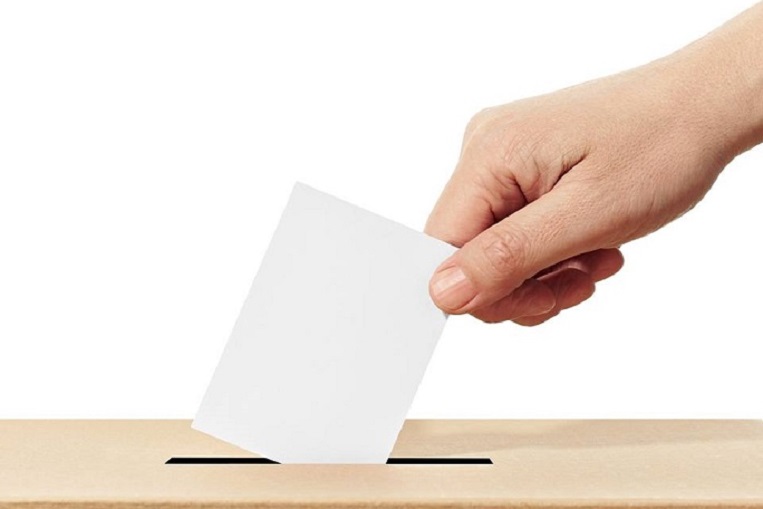

As the date for municipal elections in Durham approaches, excitement is beginning to stir among residents who typically remain disengaged from the political process. With October 26 fast approaching, some community members are advocating for a new requirement: that all elected officials should successfully complete an exam on municipal laws and regulations. This push has sparked a conversation about the qualifications and preparedness of local leaders. Have you ever wondered how well-equipped your elected officials are to serve your community’s needs?
In this article, we will explore the proposal for mandatory educational programs for municipal officials, the current state of voter engagement, and what this means for the future of local governance in Durham.
Proposal for Municipal Education Programs
A notable resident, Jim McEwen, has taken the initiative to propose a structured educational framework aimed at enhancing the knowledge of elected officials. He has reached out to the Ontario Minister of Municipal Affairs, Robert Flack, suggesting that an educational program be established by 2026. This program would focus on essential topics such as:
McEwen argues that such a program is crucial, especially since many newly elected officials lack prior municipal experience. He believes that even returning incumbents could benefit from a refresher course. With options for both in-person and online formats, this initiative aims to ensure that all officials are well-versed in their responsibilities before taking office in 2027.
Voter Engagement: Will it Change?
Despite the growing discourse surrounding the elections, voter turnout remains a pressing concern. In the largest municipality, Oshawa, only 18.42% of eligible voters participated in the last municipal elections. With 151,945 eligible voters currently registered, the question arises: will this year’s election see a shift in voter engagement?
Although social media platforms are buzzing with discussions, historical trends suggest that many potential voters may still feel apathetic. The upcoming elections will not only determine local leadership but also reflect the community’s willingness to engage in its governance.
The Future of Governance in Durham
Voting concludes on October 26, but there’s a significant change on the horizon: the Regional Chair and CEO will now be appointed by the province rather than elected. This decision, expected to be finalized in early November, adds another layer of complexity to the local political landscape.
How do you feel about these changes? Are you ready to make your voice heard when it matters most? The future of Durham’s governance is in your hands, and your participation is vital.
As the community navigates these developments, the call for better-prepared officials and increased voter involvement could set the stage for a more informed and engaged electorate in the years to come.