





















Understanding the West Nile Virus: What You Need to Know
Recently, news broke that a specific batch of mosquitoes in Ajax has tested positive for the West Nile virus (WNV). This marks the first detection of WNV in the Durham Region this season. As summer unfolds, it’s crucial for you to be aware of what this means for your health and safety. How can you protect yourself and your loved ones from this mosquito-borne illness? Let’s explore the details surrounding WNV, its symptoms, and the precautions you can take to minimize your risk.
What is West Nile Virus?
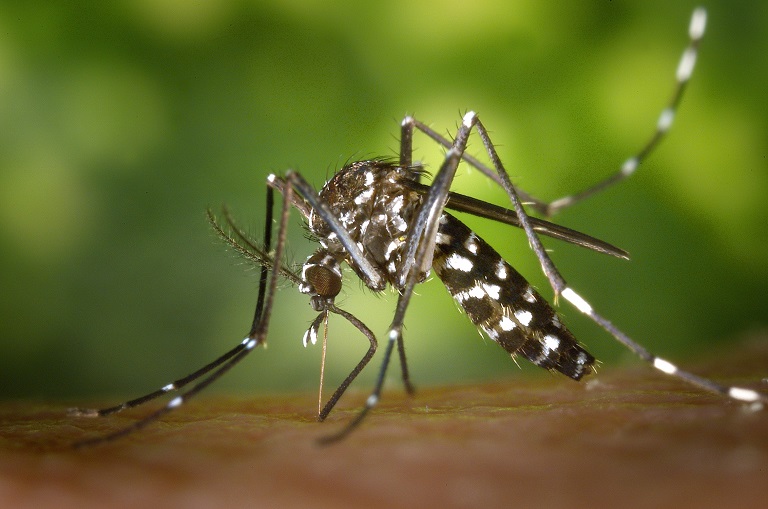
West Nile virus is primarily transmitted to humans through the bite of an infected mosquito. These mosquitoes typically become carriers after feeding on birds that harbor the virus. It’s important to note that this illness cannot spread directly from person to person or from birds to humans. While many individuals who contract the virus may experience mild symptoms such as fever, headaches, and body aches, others can face more severe complications.
Symptoms generally appear between two to fifteen days following a mosquito bite and can include:
Understanding these symptoms is vital, as early recognition can lead to better outcomes.
Precautionary Measures to Prevent Infection
Even though the likelihood of contracting WNV is relatively low, taking precautions can significantly reduce your risk. Here are some effective strategies you can implement:
Implementing these practices can greatly enhance your defense against mosquito bites.
Community Efforts to Control Mosquito Populations
The Durham Region Health Department actively works to manage mosquito populations. They treat catch basins and other stagnant water locations with larvicides, effectively reducing breeding sites. By working together with local health authorities, we can contribute to a healthier environment. Staying informed and following recommended guidelines can help you and your community stay safe.
If you have further questions or need more information about West Nile virus, don’t hesitate to reach out to local health services. You can contact the Durham Health Connection Line at 905-668-2020 or 1-800-841-2729. Remember, being proactive is key to safeguarding your health during mosquito season.