


















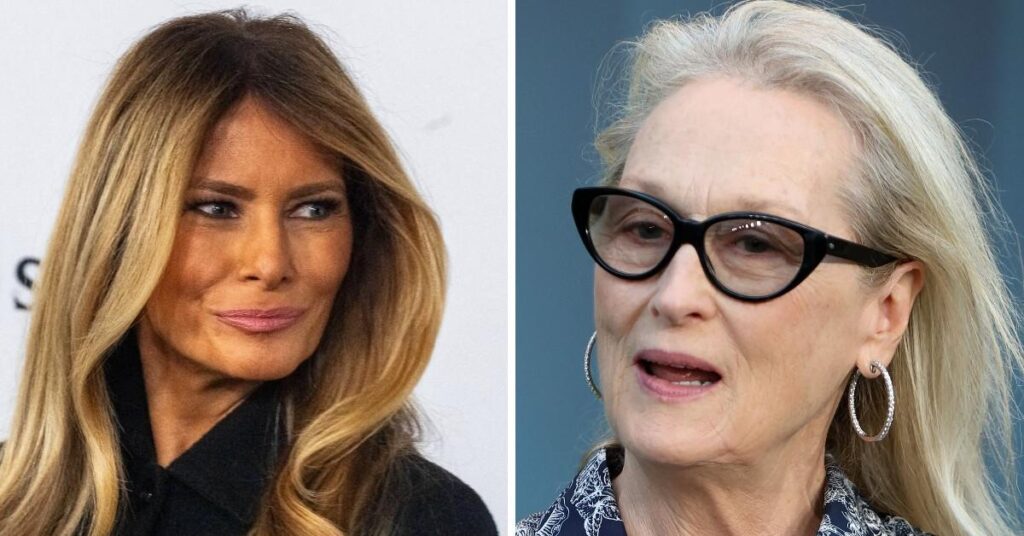
Meryl Streep, a name synonymous with excellence in acting, recently made headlines for her strong opinions about a certain fashion statement made by Melania Trump. Remember that striking jacket she wore back in 2018? You know, the one that sparked a whirlwind of controversy? Well, Streep didn’t hold back in expressing her disapproval. She criticized the «historical and political implications» behind Melania’s choice, suggesting that fashion can carry weighty messages that resonate far beyond the fabric itself. This article will delve into the intricacies of this situation, exploring the layers of meaning behind fashion choices, the intersection of politics and style, and the broader implications for public figures.
As we examine this topic, you might wonder how clothing can influence public perception or even political discourse. Let’s unravel this complex relationship and see how a simple jacket can ignite passionate discussions about our values and societal norms.
Understanding the Controversy: The Zara Jacket Incident
In June 2018, Melania Trump donned a green Zara jacket with the words «I really don’t care, do U?» emblazoned on the back during a visit to a Texas facility housing migrant children. At first glance, it appeared to be just another fashion choice. However, when you dig deeper into the context, it becomes clear that it was much more than that.
The timing of this outfit coincided with a moment of national outrage over the separation of families at the US-Mexico border. Many viewed her jacket as insensitive, if not outright dismissive, of the plight of those affected. Streep’s criticism underscored how clothing can serve as a powerful medium for political commentary.
The Power of Fashion in Political Discourse
You might think fashion is just about style, but it often plays a significant role in shaping public opinion. When public figures wear certain items, they send messages—intended or not. Here are a few reasons why fashion can be so impactful:
In this case, Melania’s jacket became more than just a piece of clothing; it transformed into a symbol of indifference for many critics, including Streep.
Meryl Streep’s Perspective: A Call for Awareness
Streep, an outspoken advocate for various social causes, used this moment to highlight the broader implications of Melania’s fashion choice. By critiquing the historical and political undertones of the jacket, she called for greater sensitivity from those in the public eye.
But why does this matter? Well, when influential figures overlook the messages their clothing conveys, it can normalize disregard for pressing social issues. Streep’s remarks served as a reminder that the intersection of fashion and politics is a dialogue worth having.
Fashion as a Medium for Change
Interestingly, fashion has a long history of being used to advocate for change. Think about movements like the suffragette’s white dresses or the black gowns worn at the Golden Globes in 2018 to protest sexual harassment. These choices resonate with people and can amplify important messages. Here are some ways fashion has historically driven social change:
So, when you consider Melania’s jacket in this light, it’s clear that fashion is not just fabric; it’s a conversation starter.
The Ripple Effect of Streep’s Comments
Streep’s criticism didn’t just stop at Melania; it sparked a dialogue about the responsibilities of public figures in their fashion choices. It raised questions about how we, as a society, interpret and react to these choices. Are we merely observers, or do we have a role in shaping the narrative around fashion and politics?
As you reflect on this, consider how your choices—both in fashion and beyond—can impact the world around you. Just like the jacket that ignited a storm of debate, every choice you make carries potential repercussions.