
















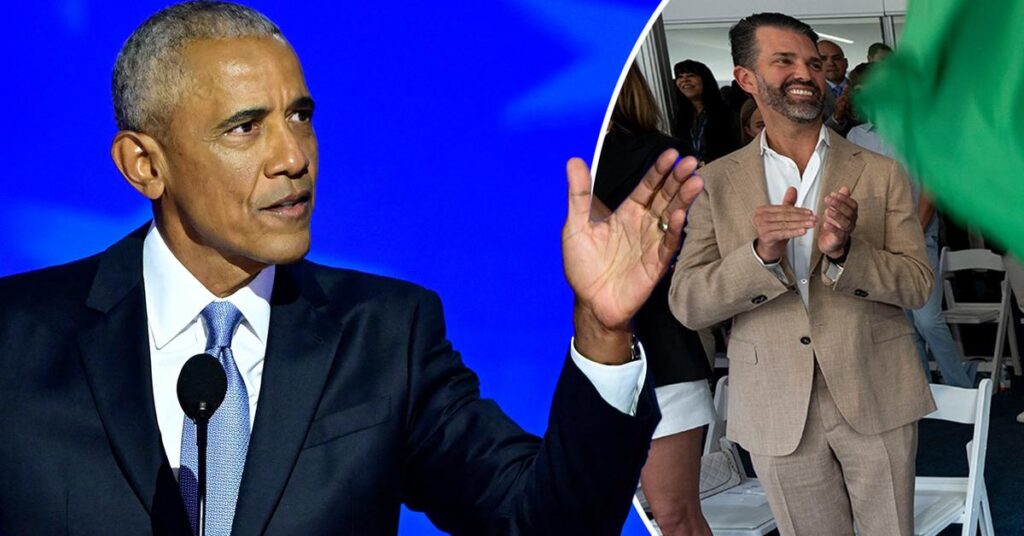
Donald Trump Jr. recently made headlines for his fashion choice, stepping out in a tan suit that, quite frankly, didn’t sit well with critics. Many commentators quickly pointed out that former President Barack Obama had previously donned a similar look, and they didn’t hold back in expressing their opinions. What’s behind this fascination with comparing fashion statements, especially when it comes to political figures? In this article, we’ll dive into the world of political fashion, explore how style choices can influence public perception, and highlight some memorable moments in political attire.
Understanding the Impact of Political Fashion
Political fashion isn’t just about looking good; it’s a powerful form of communication. When leaders step out in public, their clothing choices send messages about their personalities, values, and even their political ideologies. So, what makes a suit like Trump Jr.’s so notable?
Fashion can shape public perception significantly. It’s not just a visual statement; it can create narratives and influence how politicians are viewed by the public. In an era where image matters, understanding this dynamic is crucial for anyone in the spotlight.
The Tan Suit Debate: A Closer Look
When Trump Jr. opted for the tan suit, it wasn’t just a fashion choice—his look sparked a debate reminiscent of the controversy surrounding Obama’s own tan suit moment in 2014. Critics argued that Obama’s ensemble was a bold departure from traditional political garb, while others celebrated it as a refreshing change.
Consider this:
Moreover, some may wonder why a simple outfit can ignite such discussions. It’s likely because clothing often acts as a lens through which we view our leaders.
Fashion Trends in Political History
Political fashion has evolved over the years, with various leaders leaving their mark. From John F. Kennedy’s tailored suits to Angela Merkel’s practical yet stylish outfits, each choice has contributed to their public image. Clothing can reflect the times, and leaders often use fashion to connect with their audience.
Remember that style is not just about the individual; it reflects cultural shifts. For instance, during the 1960s, the casual look became a statement of rebellion and change. Today, politicians are increasingly adopting more relaxed styles to appeal to younger voters.
The Role of Social Media in Fashion Critiques
In today’s digital age, social media plays a significant role in shaping opinions on political fashion. A picture of a suit can go viral in minutes, leading to instant feedback and discussion. This immediacy can amplify critiques, as seen in the case of Trump Jr.’s outfit.
Consider how platforms like Twitter and Instagram allow users to voice their thoughts on fashion choices:
As a result, political figures must navigate this landscape carefully, balancing personal style with public expectations.
Conclusion: The Intersection of Fashion and Politics
While it may seem trivial, the intersection of fashion and politics is a fascinating area of study. The reactions to Trump Jr.’s tan suit remind us that every choice—no matter how small—can have significant implications. In a world where image and perception are intertwined, understanding the nuances of political attire can provide valuable insights into the nature of leadership and public engagement.