


















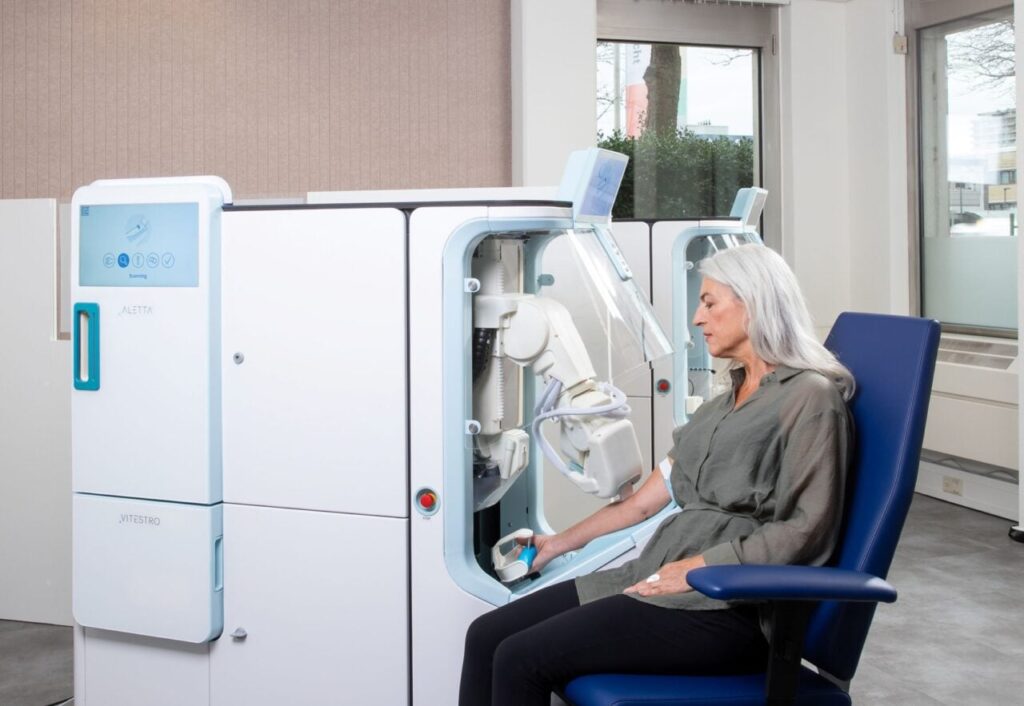
Robotic phlebotomy is revolutionizing the way blood samples are collected, and it has just received a significant boost from the U.S. Food and Drug Administration (FDA). The FDA has recently given the green light to Aletta, the pioneering standalone robotic system designed specifically for phlebotomy. This advancement is set to enhance both the efficiency and safety of blood draws, sparking interest among healthcare professionals and patients alike. But what does this mean for the future of medical procedures?
This article will delve into the implications of robotic phlebotomy, explore how Aletta works, and discuss the potential benefits it brings to the healthcare sector. We will also consider the challenges that may arise as this technology becomes more prevalent. So, let’s dive into the fascinating world of robotic blood collection!
Understanding Robotic Phlebotomy: What is Aletta?
Robotic phlebotomy represents a significant advancement in medical technology. Aletta, the first of its kind, is a standalone robotic system capable of performing blood draws autonomously. You might wonder, how does it actually work?
Essentially, Aletta utilizes advanced imaging techniques and artificial intelligence to locate veins and perform the procedure with precision. This minimizes discomfort for patients and reduces the likelihood of errors that can occur with manual blood draws.
The Benefits of Robotic Blood Collection
Adopting robotic systems like Aletta offers numerous advantages that are hard to overlook:
Indeed, these benefits make a compelling case for the integration of robotic phlebotomy into everyday medical practices.
Challenges and Considerations in Implementing Robotic Phlebotomy
However, the introduction of robotic systems isn’t without its hurdles. While Aletta brings numerous advantages, there are still some considerations to bear in mind.
Firstly, there’s the cost of investment. Implementing such high-tech devices can require significant financial resources, which might be a barrier for smaller healthcare facilities.
Moreover, training staff to use this new technology effectively is crucial. Without proper training, the benefits of robotic phlebotomy may not be fully realized.
Finally, while automation can improve efficiency, it’s essential to maintain a personal touch in patient care. After all, many patients still value human interaction during medical procedures.
The Future of Robotic Phlebotomy
Looking ahead, the potential for robotic phlebotomy is vast. As technology advances, we can expect even more precise and efficient systems to emerge. Wouldn’t it be exciting to imagine a future where blood draws are almost entirely painless and error-free?
Moreover, as more facilities adopt robotic systems, we might see a shift in how training is approached in medical schools and nursing programs. Emphasizing the integration of technology into patient care will likely become a priority.
In summary, the advent of Aletta marks a significant milestone in the evolution of medical technology. With its capacity to streamline blood collection, enhance patient comfort, and reduce errors, robotic phlebotomy is set to change the landscape of healthcare. And who knows? This may just be the beginning of a new era in medical procedures.