

















The political landscape in the United States has always been charged, but the recent revelations about surveillance practices under the Trump administration have taken the discussion to a new level. How far should a government go in monitoring its citizens, especially those who oppose it? As details emerge about extensive operations targeting opposition groups, concerns about political repression and governmental overreach are at an all-time high. In this article, we’ll unpack the implications of these revelations and explore the broader context of surveillance in American politics, shedding light on what this means for democracy and civil liberties.
Understanding the Allegations of Surveillance
The Trump administration has faced serious accusations regarding its use of surveillance against political adversaries. Reports indicate that intelligence agencies were involved in extensive operations that monitored various opposition groups. But what does this mean for the average citizen?
Many believe that these actions represent a dangerous precedent for political repression. This raises questions about the balance between national security and individual rights. It’s crucial to grasp how these practices could impact not just political opponents but also the general public’s trust in government institutions.
The Impact on Civil Liberties
When the line between security and personal freedom blurs, civil liberties come under threat. The revelations about surveillance indicate a willingness to infringe upon the rights of individuals and groups simply because of differing political beliefs.
Is this really the kind of democracy we want to uphold? Protecting dissenting voices is fundamental to a thriving society, and these practices challenge that very foundation.
The Role of Technology in Political Surveillance
Technological advancements have made it easier for governments to monitor activities, often without the knowledge of those being surveilled. Under the Trump administration, reports have emerged detailing how digital tools were leveraged to track opposition groups.
But technology should enhance democracy, not undermine it. The potential for abuse in the digital age raises critical questions about accountability. How can citizens ensure that their rights are protected in this evolving landscape?
Public Response and Activism
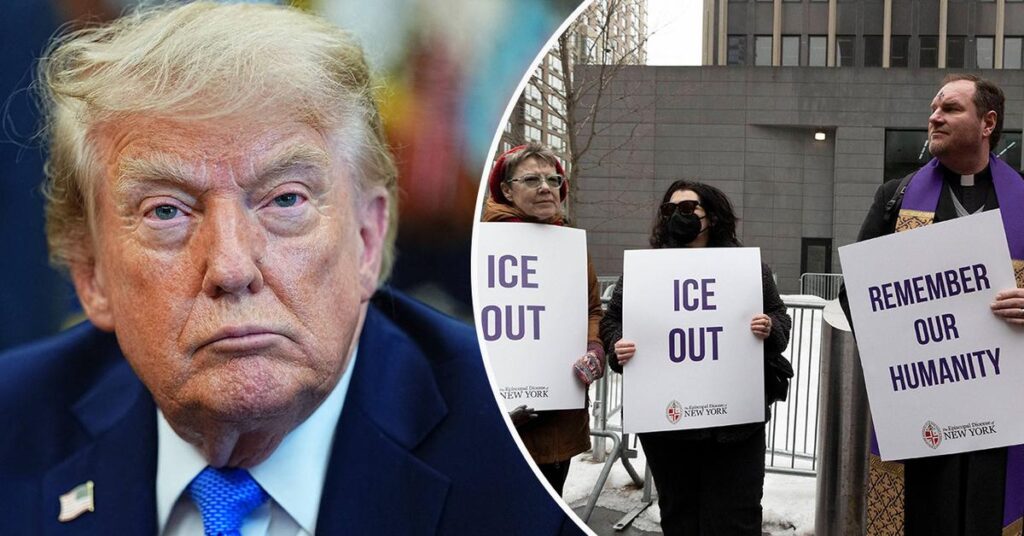
As more details emerge about these surveillance operations, public response has been swift. Activists and civil liberties organizations are raising their voices, demanding transparency and accountability from the government.
Are these actions enough to effect change? The mobilization of citizens is crucial in holding government accountable, but the road ahead may be long and challenging.
Looking Ahead: What Does This Mean for Democracy?
The implications of these revelations extend far beyond the Trump administration. They raise fundamental questions about the future of democracy in the United States.
Will we allow fear to dictate how we govern? Or will we stand up for the rights and freedoms that define our nation? The ongoing debate about surveillance and political repression will likely shape the political discourse for years to come. Ultimately, it’s up to you, as an engaged citizen, to stay informed and advocate for a system that respects individual rights and freedoms.