



















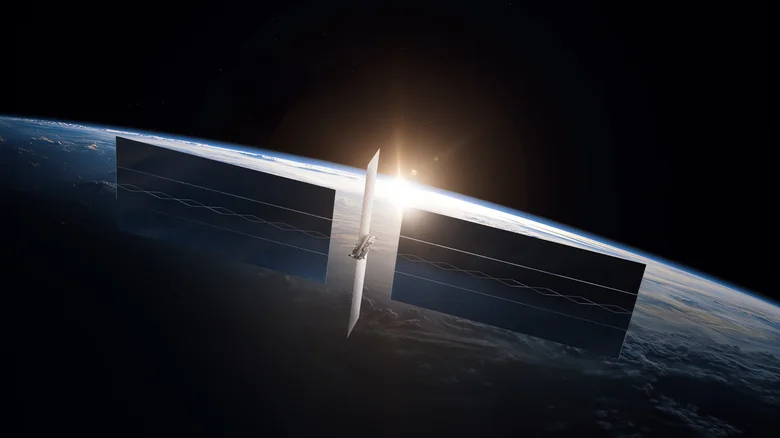
The AI landscape is evolving at a breathtaking pace, and now, it’s looking beyond just our devices. Have you ever considered how artificial intelligence might operate in space? Not too long ago, companies like Starmind began to explore the potential of using NVIDIA’s silicon technology to enhance AI capabilities in orbit. This intriguing development is set to change the dynamics of space exploration and communication. In this article, we’ll delve into how AI is being integrated into space technology, the role of NVIDIA’s advanced chips, and what this means for the future of both industries.
The Intersection of AI and Space Technology
As we venture into new frontiers, the fusion of artificial intelligence with space exploration offers exciting possibilities. AI is not just about making our lives easier on Earth; it’s becoming essential for navigating the complexities of space missions. With advanced algorithms, AI can analyze vast amounts of data, optimizing everything from satellite operations to planetary explorations.
Imagine AI systems capable of making real-time decisions while orbiting celestial bodies. This capability could lead to improved efficiency in resource management and mission planning, ultimately saving time and costs for space agencies.
NVIDIA’s Role in Revolutionizing AI in Space
Why is NVIDIA so crucial in this burgeoning field? Their cutting-edge silicon technology provides the necessary computational power that AI systems require to function effectively in challenging environments. NVIDIA’s chips are engineered to handle complex tasks at incredible speeds, making them ideal for space applications.
Some key features of NVIDIA silicon include:
These attributes make it feasible to deploy AI systems in orbit, where they can perform complex analyses and support astronauts and equipment alike.
The Future of AI in Orbit
What does the future hold for AI operating in space? Experts believe that as technology advances, we will witness a surge in AI-driven missions. From autonomous drones exploring the surfaces of other planets to AI-assisted satellites improving communication networks, the possibilities are endless.
Moreover, with the increasing interest from private companies in space exploration, there’s a potential for innovative collaborations. AI can help in monitoring space debris, enhancing safety for both crewed and uncrewed missions.
Challenges Ahead for AI in Space Exploration
Even though the prospects are thrilling, there are hurdles to overcome. Space is an unpredictable environment, and deploying AI systems comes with risks. For instance, how will these systems cope with unexpected challenges, such as equipment malfunctions or environmental changes?
There’s also the matter of data security. As AI systems become more integrated into space operations, protecting sensitive information from potential threats will be paramount. It’s essential to establish protocols that ensure the integrity and confidentiality of data collected in orbit.
In summary, the integration of AI and NVIDIA’s silicon technology into space exploration is not just a trend; it’s a transformative shift. With each advancement, we are closer to unlocking the mysteries of the universe while simultaneously improving our technologies here on Earth. What other innovations might we discover as we continue this journey into the stars?