



















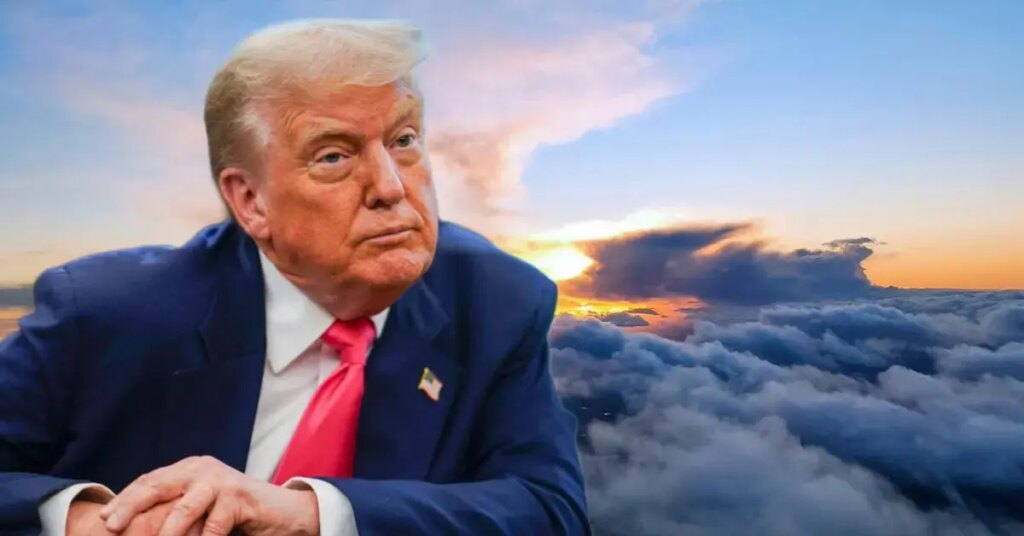
Donald Trump has once again reached out to his supporters through a mass email, this time making a rather unconventional appeal for donations. On January 25, he asked his followers to contribute financially, framing it as a way to help him «get to heaven.» This unusual phrasing has sparked curiosity and debate among many, prompting questions about the motivations behind such a request. In this article, we will delve into the nuances of Trump’s fundraising tactics, the reactions they provoke, and what they reveal about his ongoing relationship with his base.
Understanding Trump’s Fundraising Strategy
Many political figures utilize fundraising as a crucial component of their campaigns, but Trump’s approach often stands out. His methods blend urgency with a personal touch, aiming to create a sense of community among his supporters. When he describes the need for donations in spiritual terms, it adds a unique layer to the typical political ask.
Why does Trump frame his requests in such a manner? By invoking themes of faith and destiny, he not only appeals to the emotions of his base but also reinforces a sense of loyalty. This strategy keeps supporters engaged, fostering a strong bond that goes beyond mere political alignment.
How Does This Impact His Supporters?
The implications of these emails extend beyond mere fundraising. They also serve to galvanize his followers, making them feel as though they are part of a larger mission. Consider the following aspects:
The Reactions: Mixed Responses from the Public
The reactions to Trump’s email have been varied. Some supporters view it as a clever and heartfelt appeal, while critics argue that it trivializes serious matters. This divergence in opinion highlights the polarized nature of contemporary American politics.
Why do critics feel this way? Many believe that equating financial contributions with spiritual salvation is manipulative. This perspective raises ethical questions about the intersection of politics and personal beliefs.
What Does This Mean for Future Campaigns?
As we look forward, it’s essential to consider the broader implications of such tactics. Trump’s fundraising emails could set a precedent for future political campaigns, especially among candidates who aim to connect with their bases on a deeper, more personal level.
Ultimately, Trump’s fundraising emails exemplify the innovative yet controversial approaches that define modern political communication. By examining these emails, we can gain valuable insights into the ways in which politics, personal beliefs, and community intertwine in today’s landscape.