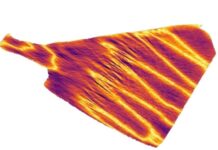



















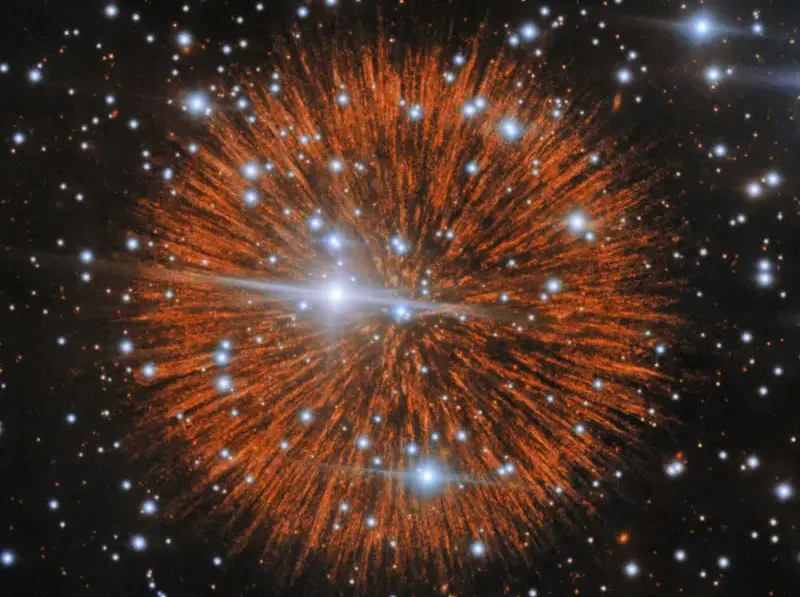
Astronomy continuously unveils the mysteries of the universe, and recent discoveries have taken our understanding to new heights. Have you ever wondered what lies beyond our solar system? Recently, a group of astronomers from Warwick has made significant contributions to this quest by participating in an international initiative focused on the intricate details of the planetary nebula Pa 30. This exciting collaboration has provided scientists with the most comprehensive observations we’ve ever had of this celestial object.
In this article, we will delve into what Pa 30 is, the groundbreaking methods employed by researchers, and the broader implications of these findings for our understanding of the cosmos. Get ready to explore the wonders of stellar evolution and the role of planetary nebulae in the universe.
What is Pa 30 and Why is it Important?
Pa 30 is not just any celestial object; it’s a planetary nebula that showcases the final stages of a star’s life cycle. When stars similar to our Sun exhaust their nuclear fuel, they shed their outer layers, creating stunning nebulae. This process is crucial for recycling materials back into space, which can eventually form new stars and planets.
You might be surprised to learn that Pa 30 is particularly unique due to its complex structure and the wealth of data it provides about stellar evolution. Understanding such nebulae helps us grasp fundamental processes that shape our galaxy.
The Techniques Behind the Discovery
In this groundbreaking study, researchers utilized a variety of advanced observational techniques. Some key methods include:
Curious about how these methods combine? They provide a multi-faceted view that deepens our understanding of the nebula’s dynamics and lifecycle.
International Collaboration: A Global Effort
This project exemplifies how global teamwork can enhance scientific discovery. The Warwick astronomers collaborated with experts from various countries, pooling their knowledge and resources for a common goal.
International partnerships often lead to richer findings, as diverse perspectives can inspire innovative approaches. Have you ever wondered how collaboration can accelerate progress in science? This study is a perfect example of that phenomenon.
The Implications of the Findings
The insights gained from studying Pa 30 are far-reaching. Understanding nebulae like this one can inform us about the origins of elements essential for life, such as carbon and oxygen.
Moreover, these discoveries can refine existing models of stellar evolution. As scientists continue to explore these cosmic wonders, the implications for our understanding of the universe only grow. What if our comprehension of stellar processes could lead to new technologies or even answers to fundamental questions about existence?
By peeling back the layers of Pa 30, researchers are not just observing a distant object; they are unlocking the secrets of the universe, one nebula at a time.