


















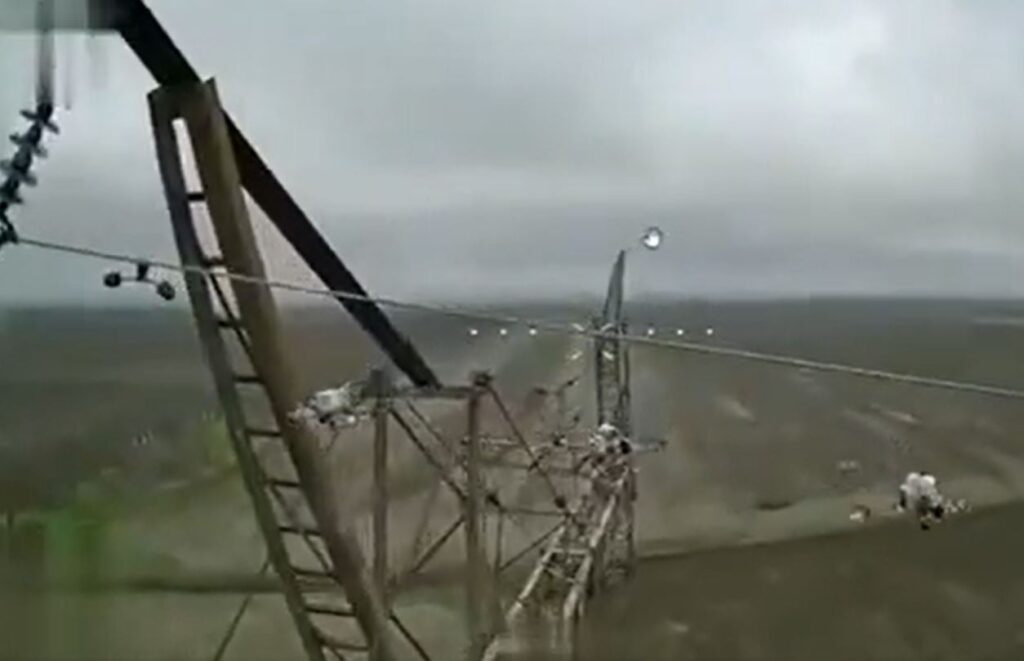
In the evolving landscape of modern warfare, the use of drones has become a pivotal element, especially for countries like Ukraine and Russia. Have you ever wondered how these small, nimble devices are changing the dynamics of conflict? Known as FPV (First-Person View) strike drones, these tools have transformed the way military operations are conducted, providing surveillance and precision strikes in ways that traditional methods cannot. This article will delve into how these drones are utilized, their impact on warfare, and the technology behind them. Let’s explore the fascinating world of waiting or lurking drones and how they are reshaping military strategies.
The Rise of FPV Drones in Warfare
FPV drones are not just gadgets; they represent a new tactic in combat. Their compact size allows them to navigate through various terrains, making them ideal for both reconnaissance and offensive actions. You might wonder, why are these drones so effective?
- Versatility in Operations: They can be used for surveillance, target acquisition, and direct attacks.
- Reduced Risk to Personnel: By operating remotely, soldiers can avoid direct confrontation.
- Cost-Effective Solutions: Compared to traditional military equipment, these drones are relatively inexpensive to produce and operate.
The integration of FPV technology allows operators to control the drones in real-time, enhancing their effectiveness on the battlefield.
How Are Ukrainian and Russian Forces Using Drones?
Both Ukrainian and Russian forces have adopted these drones for various tactical purposes. In Ukraine, these devices have been employed to conduct reconnaissance missions, enabling soldiers to gather intelligence without exposing themselves to enemy fire. Conversely, Russian forces have utilized similar drones for targeted strikes on Ukrainian assets.
But what makes these drones so appealing in modern warfare?
- Real-Time Data Collection: Operators can receive live video feeds, making decision-making faster and more informed.
- Stealth Capabilities: Their small size allows for discreet operations, minimizing detection.
- Adaptability: They can be fitted with different payloads, depending on the mission requirements.
These features have made FPV drones crucial for both sides, and their presence is likely to increase in future conflicts.
The Technology Behind FPV Drones
At the heart of FPV drones lies advanced technology that enables their functionality. These devices are equipped with high-resolution cameras, GPS systems, and reliable communication channels. Have you considered what this technology means for precision in military operations?
- Camera Quality: High-definition cameras allow for detailed surveillance and target identification.
- GPS Navigation: Ensures accurate positioning and tracking of the drone.
- Real-Time Communication: Operators receive instant feedback, allowing for quick adjustments during missions.
The combination of these technologies not only enhances the operational capabilities but also provides a significant edge in combat situations.
The Future of Drone Warfare
Looking ahead, the role of FPV drones in military strategy is expected to expand. As technology evolves, their capabilities will likely improve, making them even more integral to armed forces. Will we see an increase in the use of drones for humanitarian efforts as well?
This question opens a new dialogue about the ethical implications and potential applications of drone technology beyond traditional combat scenarios.
In summary, the emergence of waiting or lurking drones represents a significant shift in how warfare is conducted. By understanding their impact, capabilities, and future potential, you can grasp the broader implications of this technology in shaping the battlefield of tomorrow.